Your Complete Guide to Relocating to Bulgaria in 2025
Everything you need to know about moving to Bulgaria’s stunning coastal regions with expert guidance from Sea Properties BG
Last updated: 2025-09-30
Can I relocate to Bulgaria easily?
Yes, Bulgaria offers one of Europe’s most accessible relocation processes. EU citizens can move freely and register residence, while non-EU citizens can obtain residence permits through employment, investment, or retirement visas. The country combines affordable living costs, beautiful coastal regions, and EU membership benefits.
🇧🇬 Key Facts About Relocating to Bulgaria
- EU Membership: Full European Union benefits since 2007
- Cost of Living: 50-60% lower than Western Europe
- Tax Rate: 10% flat income tax, among Europe’s lowest
- Property Ownership: Foreigners can buy property with certain conditions
- Residence Timeline: Permanent residence after 5 years
- Black Sea Coast: 378km of stunning coastline and beaches
Why Choose Bulgaria for Your Relocation?
Bulgaria offers exceptional value for European living: 50% lower costs than Western Europe, stunning Black Sea coastline, EU citizenship path, 10% flat tax rate, and rich cultural heritage. Coastal cities like Varna and Burgas provide modern amenities with seaside lifestyle benefits.
Bulgaria’s Coastal Advantages
The Black Sea coast offers 378km of pristine beaches, modern marinas, and charming coastal towns. Cities like Varna and Burgas combine seaside living with urban amenities, while smaller towns like Byala provide peaceful coastal retreats.

Cost of Living Benefits
According to 2025 data, Bulgaria’s living costs are 50-60% lower than Western Europe. A comfortable coastal lifestyle costs €800-1,200 monthly for singles, with property prices starting from €40,000 for coastal apartments.

EU Access and Lifestyle Quality
As an EU member, Bulgaria provides visa-free travel across Europe, access to European healthcare systems, and the path to EU citizenship. The country offers modern infrastructure, reliable internet, and a safe, peaceful environment.
Can Foreigners Buy Property and Live in Bulgaria?
Yes, foreigners can buy property in Bulgaria. EU citizens can purchase both property and land directly. Non-EU citizens can buy apartments in their own name but need to establish a Bulgarian company to purchase houses with land. Sea Properties BG specializes in guiding international buyers through this process.
Property Ownership Rules for EU vs Non-EU Citizens
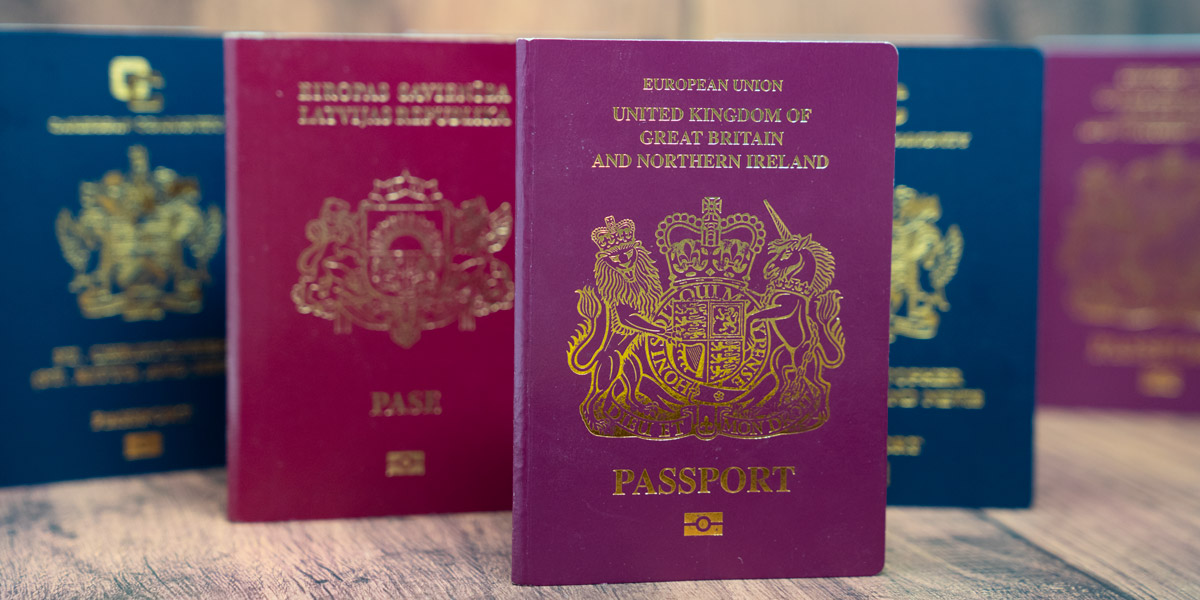
EU Citizens
Direct property ownership with EU passport/ID
Non-EU Citizens
Company registration required for houses with land
| Citizen Type | Apartments | Houses with Land | Requirements |
|---|---|---|---|
| EU Citizens | ✅ Direct ownership | ✅ Direct ownership | Valid EU ID/Passport |
| Non-EU Citizens | ✅ Direct ownership | ⚠️ Via Bulgarian company | Valid passport, company registration |

Varna: The Sea Capital
Bulgaria’s third-largest city offers urban sophistication with seaside charm. Average property prices: €800-1,200/m² for apartments, €150,000-300,000 for houses.
- • International airport with year-round flights
- • Modern business district and tech hub
- • Excellent healthcare and education
- • Active expat community
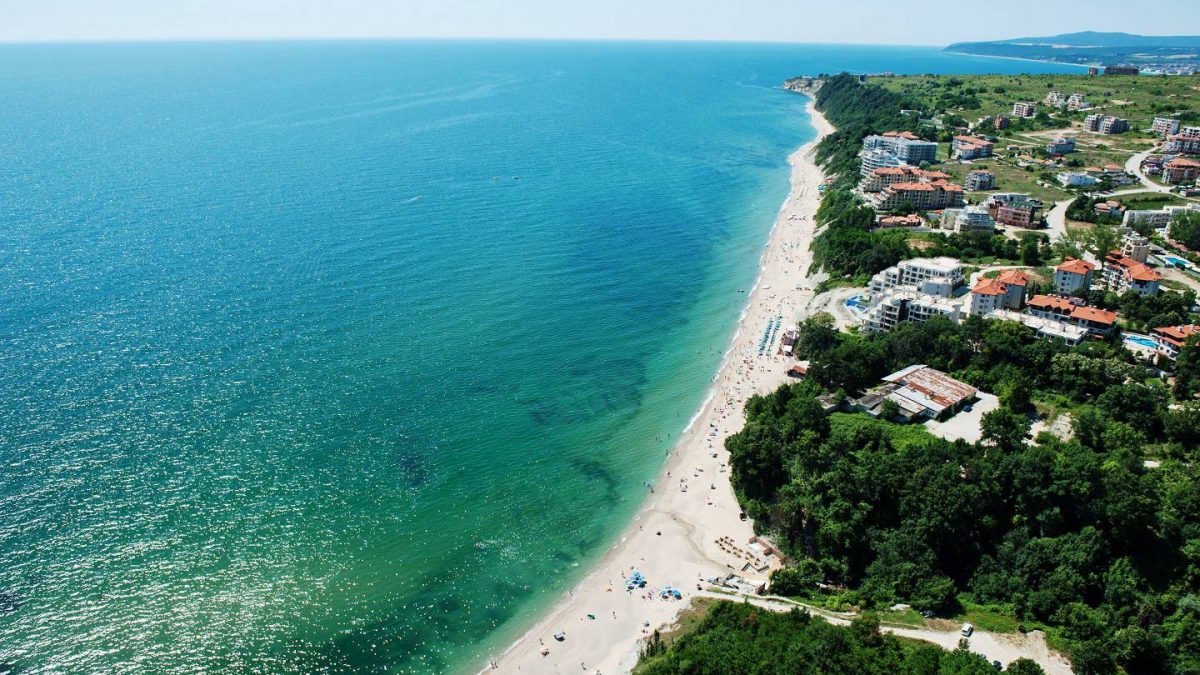
Byala: Peaceful Coastal Living
Small coastal town perfect for retirement or remote work. Property prices: €400-600/m², houses from €80,000-150,000.
- • Pristine beaches and nature reserves
- • Low cost of living
- • Close to Varna (45 minutes)
- • Growing international community
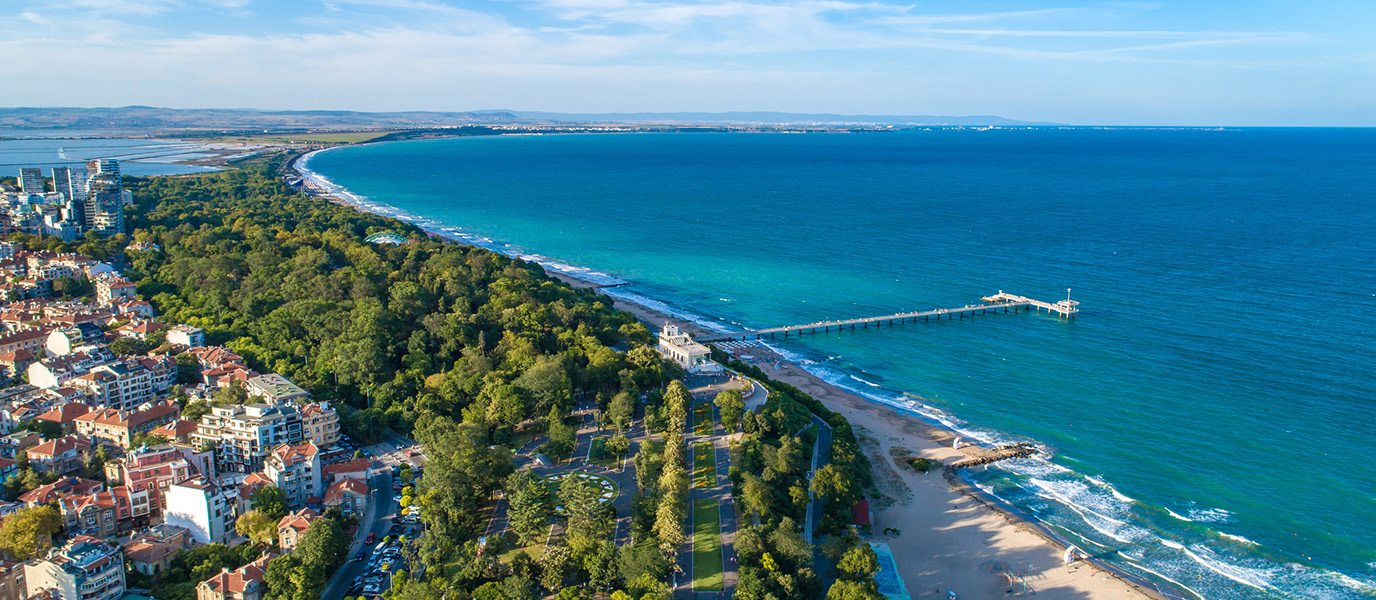
Burgas: Southern Coast Hub
Fourth-largest city with major port and airport. Property prices: €600-900/m² for apartments, €120,000-250,000 for houses.
- • Major international airport
- • Industrial and business center
- • Close to Sunny Beach resort
- • Cultural events and festivals
What Visa Do You Need to Relocate to Bulgaria?
Visa requirements depend on your citizenship. EU citizens need only register their residence after 3 months. Non-EU citizens require a Type D long-stay visa based on employment, business, study, or retirement, followed by residence permit applications. According to the Bulgarian Ministry of Interior, processing takes 2-4 weeks.
EU Citizens: Registration Requirements
EU citizens enjoy freedom of movement and can live in Bulgaria without visas. After 3 months, you must register for a residence certificate.
Enter Bulgaria with valid EU ID or passport
Register residence after 3 months at local municipality
Provide proof of address and financial means
Receive residence certificate valid for 5 years
Non-EU Citizens: D-Visa and Residence Permits
Non-EU citizens must obtain a Type D long-stay visa first, then apply for residence permits upon arrival in Bulgaria.
Apply for Type D visa at Bulgarian embassy/consulate
Enter Bulgaria within 6 months of visa approval
Apply for residence permit within 3 months
Receive temporary residence permit (1 year, renewable)
Bulgarian Visa Types and Requirements (2025)
| Visa Type | Purpose | Financial Requirement | Processing Time |
|---|---|---|---|
| Work Visa (D) | Employment contract | €2,250 (6 min. salaries) | 2-3 weeks |
| Business Visa (D) | Start business | €2,250 + business plan | 3-4 weeks |
| Student Visa (D) | University enrollment | €1,800 + tuition proof | 2-3 weeks |
| Retirement Visa (D) | Sufficient funds | €2,250 + pension proof | 2-3 weeks |
| Investment Visa | Golden Visa program | €512,000 investment | 6-8 weeks |
🇬🇧 Special Guide for UK Citizens Post-Brexit
Since Brexit, UK citizens are treated as non-EU nationals but retain many advantages. You can visit Bulgaria visa-free for 90 days, apply for residence permits through various routes, and enjoy preferential treatment due to historical ties. The process is straightforward with proper documentation and planning.
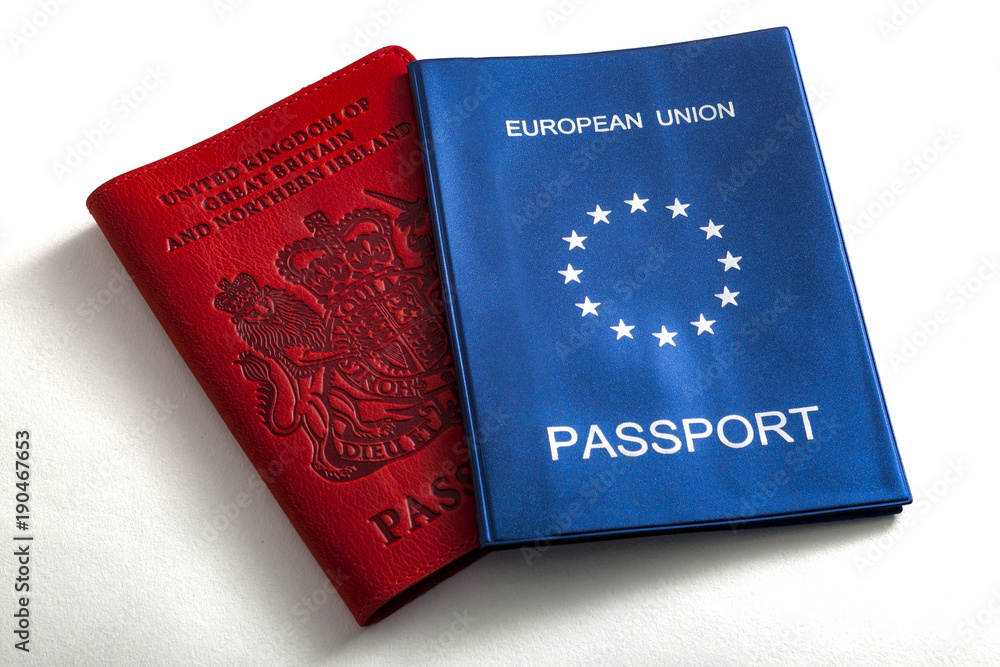
Post-Brexit Changes for UK Citizens
- ✗ No longer EU citizens – treated as third-country nationals
- ✗ Cannot freely live and work without permits
- ✓ Still visa-free for 90-day visits within 180 days
- ✓ Preferential treatment due to historical ties
- ✓ Established expat community and services
UK Citizens Residence Options in Bulgaria (2025)
🏢 Employment Route
Most common path for working-age UK citizens.
- Requirement: Job offer from Bulgarian employer
- Financial: €2,250 (6 months minimum salary)
- Processing: 2-3 weeks
- Duration: 1 year (renewable)
🏡 Retirement/Self-Sufficient Route
Perfect for retirees and remote workers.
- Requirement: Proof of sufficient funds
- Financial: €2,250 + pension/income proof
- Processing: 2-3 weeks
- Duration: 1 year (renewable)
🚀 Business/Investment Route
For entrepreneurs and investors.
- Requirement: Business plan or investment
- Financial: €2,250 + business capital
- Processing: 3-4 weeks
- Duration: 1 year (renewable)
💡 Practical Tips for UK Citizens
Before You Move
- • Ensure passport valid for 6+ months
- • Obtain criminal background check (apostilled)
- • Gather financial documents
- • Consider Bulgarian language basics
Healthcare & Pensions
- • UK State Pension exportable to Bulgaria
- • EHIC no longer valid – get private insurance
- • Bulgarian healthcare available after 6 months
- • Consider private health insurance initially
Tax Implications
- • UK-Bulgaria double taxation treaty applies
- • May need to pay UK tax on UK income
- • Bulgarian 10% tax on local income
- • Consult tax advisor for your situation
How Much Does It Cost to Live in Bulgaria?
Living costs in Bulgaria are 50-60% lower than Western Europe. A single person needs €800-1,200 monthly in coastal cities (including rent), while families spend €1,800-2,500. According to Numbeo 2025 data, Sofia costs 20-30% more than coastal regions like Varna and Burgas.
Monthly Living Expenses Breakdown

Regional Cost Differences
Sofia (Capital)
Most expensive, business hub
Varna (Sea Capital)
Coastal city, good balance
Burgas & Byala
Most affordable coastal living
What Are Bulgaria’s Tax Obligations for Residents?
Bulgaria offers one of Europe’s most attractive tax systems: 10% flat income tax, 10% corporate tax, and minimal property taxes (0.15% annually). According to the Bulgarian National Revenue Agency, residents pay tax on worldwide income, but double taxation treaties with 60+ countries prevent duplicate taxation.
How Do Healthcare and Education Work in Bulgaria?
Bulgaria provides universal healthcare for residents and EU citizens, with quality private options available. Public education is free and good quality, with several international schools in major cities. Healthcare costs 60-70% less than Western Europe, making Bulgaria attractive for families and retirees.
Where Should You Live in Coastal Bulgaria?
Bulgaria’s 378km Black Sea coastline offers diverse living options from cosmopolitan cities to peaceful villages. Varna provides urban sophistication, Byala offers tranquil affordability, and Burgas combines industry with resort access. Each coastal region has distinct advantages for different lifestyles and budgets.
What Challenges Should You Expect?
While Bulgaria offers many advantages, expect challenges with language barriers (Cyrillic alphabet), bureaucratic processes, and infrastructure variations between regions. Rural areas may have limited services, but coastal cities like Varna and Burgas have modern infrastructure and English-speaking services.
Step-by-Step Relocation Process
Bulgarian relocation requires systematic document preparation over 3-6 months. Key paperwork includes apostilled certificates, visa applications, residence permits, and local registrations. EU citizens need minimal documentation, while non-EU citizens require extensive paperwork including financial proof and employment contracts.
📋 Pre-Departure Documents (3-6 months before)
All Applicants
- • Valid passport (6+ months validity)
- • Birth certificate with apostille
- • Criminal background check with apostille (within 6 months)
- • Bank statements showing €2,250 minimum
- • Health insurance certificate
- • 10+ passport photos (3x4cm)
Non-EU Citizens Additional
- • Type D visa application
- • Employment contract or business documents
- • Educational diplomas with apostille
- • Proof of Bulgarian accommodation
- • Travel insurance (€30,000 coverage)
🛬 Upon Arrival (First 30 days)
Week 1
- • Address registration at police station (within 48 hours)
- • Bank account opening (passport + address certificate + income proof)
- • SIM card and basic services setup
Weeks 2-4 (Non-EU citizens)
Residence permit application at Migration Directorate
- Required: Application form, passport, address certificate, financial proof, health insurance, employment contract
- Fee: €250-300
- Processing time: 2-3 months
🏡 Settlement Phase (30-90 days)
Essential Registrations
- • Tax registration at National Revenue Agency (receive tax ID)
- • Healthcare registration (GP assignment)
- • Utility accounts (electricity, water, internet)
- • Employment formalization (work permit, social security)
⏰ Long-term (3+ months)
Collection and Renewals
- • Residence permit card collection (after 2-3 months)
- • Annual residence permit renewal (60 days before expiry, €150-200)
- • Annual tax declarations (due March 31)
Permanent Residence (After 5 years)
- • Continuous residence proof
- • 5 years of tax compliance certificates
- • Basic Bulgarian language certificate
- • Application fee: €200-300
💡 Document Tips
- • All foreign documents need apostille + certified Bulgarian translation (€20-50/page)
- • Keep originals safe, use certified copies for applications
- • Budget €2,000-3,000 for total document/legal costs
- • Consider professional legal assistance (€300-800) for complex cases
Frequently Asked Questions
Can foreigners buy property in Bulgaria?
Yes, foreigners can buy property in Bulgaria. EU citizens can purchase both property and land directly. Non-EU citizens can buy apartments but need to establish a Bulgarian company to purchase land or houses with gardens. The process is straightforward with proper legal assistance.
How much does it cost to live in Bulgaria per month?
A single person needs approximately €800-1,200 per month including rent in coastal cities like Varna or Burgas. Families of four typically spend €1,800-2,500 monthly. Sofia costs are 20-30% higher than coastal regions. Living costs are 50-60% lower than Western Europe.
What visa do Americans need to live in Bulgaria?
Americans need a Type D long-stay visa for stays over 90 days. This requires employment, business investment, university enrollment, or sufficient retirement funds. After one year, you can apply for a residence permit. The process takes 2-4 weeks with proper documentation.
Ready to Make Bulgaria Your New Home?
Let Sea Properties BG guide you through every step of your Bulgarian relocation journey. From finding the perfect coastal property to navigating visa requirements, we’re here to make your move seamless and successful.
Contact Us for Expert GuidanceFree consultation • Local expertise • Proven track record
Disclaimer: This guide provides general information about Bulgarian property purchases and relocation and should not be considered legal or financial advice. Always consult with qualified professionals before making property investments or relocation decisions. Market data and prices cited are based on 2025 research and may vary. Immigration and tax laws are subject to change.